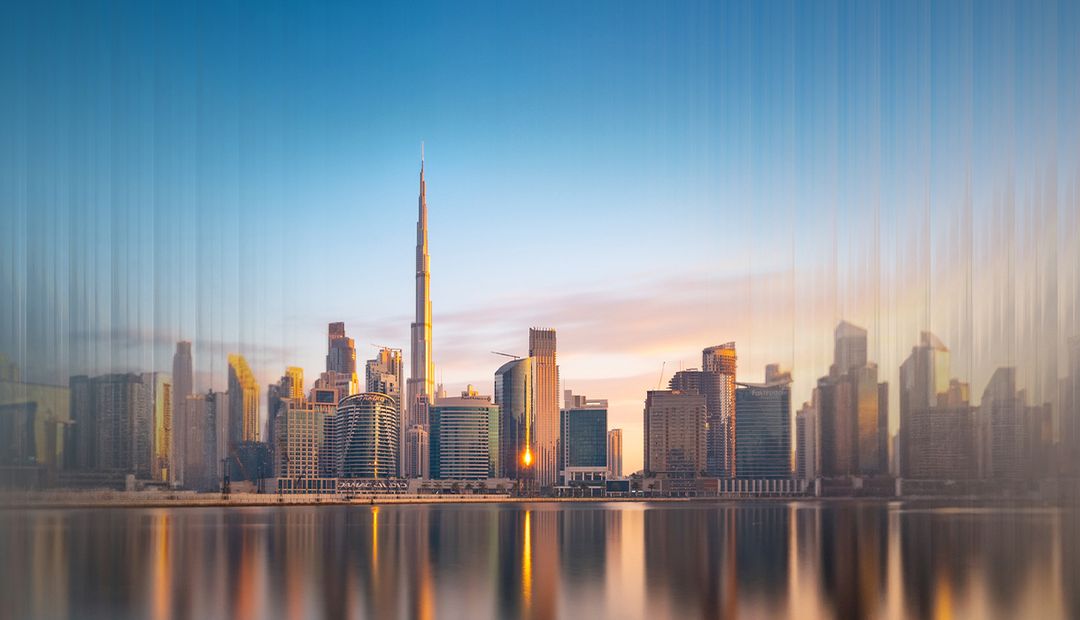
The United Arab Emirates enters 2026 at a significant strategic inflection point. No longer an economy in transition, the nation has matured into a diversified economy with a robust growth trajectory. The dominant narrative of 2026 is not merely resilience, but economic diversification: the non-oil economy has superseded hydrocarbon volatility to become the primary driver of national prosperity, contributing 77.5% of GDP (H1 2025). With real GDP growth stabilizing at a robust 5.0% and a fiscal surplus of 5%, the UAE has effectively converted political stability into a quantifiable economic asset—a stability premium that attracts global capital in an era of fragmentation. This report analyzes the forces propelling this shift and outlines the strategic imperatives for investors and policymakers.